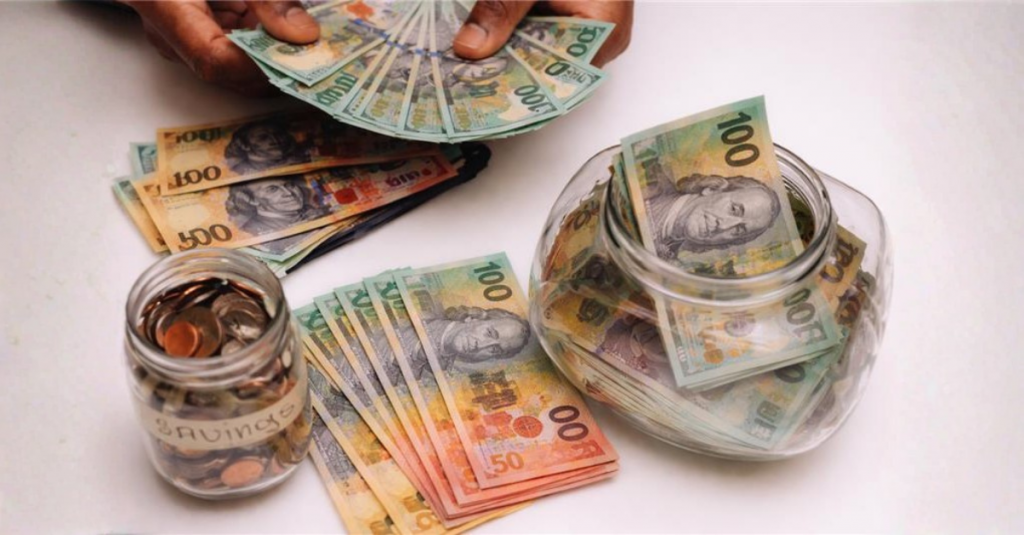
Most startups don’t die from bad ideas — they die from running out of money at the wrong moment.
Every year, thousands of founders wait like students waiting for project approval. Slides are ready, numbers are polished, and there’s a strong hope for future potential. Meanwhile, the product gathers dust, and customers remain strangers. Before becoming an early winner, you often find yourself stuck in a slow, exhausting race.
This is where a startup booted fundraising strategy becomes not just relevant, but essential. It’s less like borrowing a car and more like building your own engine—loud, imperfect, but entirely yours. Bootstrapped fundraising strategies are simple: earn revenue, then reinvest your profits to keep growing. No outside money, no pressure — just your product paying its own way forward.
Yes, it’s slower. But that’s actually the point. You stay grounded in reality — learning what the market truly wants, proving that real demand exists, and watching your startup scale with your powerful ideas on your own terms.
Let’s break down how bootstrapped fundraising for a startup actually works.
Practical Bootstrapped Fundraising Strategies for Startup Growth
Funding becomes manageable when founders follow a structured startup booted fundraising strategy. Here are the most underrated strategies;
1. Start With Revenue, Not Perfection
Imagine this: a founder spends six months refining a feature no one asked for. Launch day comes. Silence.
Now flip it.
A simple version of the product goes live. It’s rough around the edges. But someone pays for it. Then another. That first payment isn’t just income; it’s proof of the positive outcome of your business.
Revenue is feedback you can deposit.
Customers don’t care about perfection. They care about being useful.
2. Pre-Sell Before You Build
Think of pre-selling as testing the water before diving in.
You describe the outcome of the product in advance. You offer early access. Someone pulls out their card to pay for your product.
That moment matters. It answers the only question that counts: Will anyone pay for this?
Pre-selling is not just funding. It’s validation with teeth.
If no one buys, you haven’t failed; you’ve saved months of wasted effort.
3. Control Costs Ruthlessly
Money leaks quietly.
Unused software subscriptions. Fancy tools. Office space no one needs.
Bootstrap clarity. Every expense must defend itself.
Ask one question before spending: Does this help me earn or improve what I sell?
If the answer hesitates, cut it.
Discipline here works as a startup booted fundraising strategy that is like trimming a bonsai tree, small cuts that shape long-term strength.
4. Use Service-Based Cash Flow
Many strong startups begin as something simple: a service.
A founder writes code for clients, designs for brands and consults for businesses.
Cash comes in quickly. No inventory. No heavy setup.
Then something interesting happens.
Patterns appear. Repeated problems. Common requests.
That’s your product hiding in plain sight.
Services pay the bills. Patterns build the future. And this is how bootstrapped fundraising strategies work for your startup.
5. Build Strategic Partnerships

Growth doesn’t always need more money. Sometimes it needs better allies.
A small startup partners with a company that already has customers. Suddenly, reach expands overnight.
No ads. No heavy spend.
Just shared value.
Good partnerships feel like two people pushing the same car uphill, less strain, more progress.
6. Focus on Customer Retention
Acquiring a customer can feel like chasing a bus. Exhausting. Expensive.
Keeping one? That’s like having a seat on the ride.
Retention builds rhythm. Predictable revenue. Familiar faces.
A returning customer isn’t just income. It’s trust repeated.
And trust compounds faster than marketing budgets ever will.
7. Reinvest Profits Strategically
The first profits are tempting. It feels like payday after a long drought.
But pulling money out too early is like eating your seed stock.
Bootstrapped growth depends on reinvestment.
Upgrade the product. Improve delivery. Expand reach.
By incorporating bootstrapped fundraising strategies, each reinvested rupee becomes a quiet worker, building something bigger behind the scenes.
8. Build Credibility Before Capital
Investors don’t fund ideas. They fund evidence.
A startup with paying customers, clear systems, and steady growth walks into a room differently.
Less begging. More negotiating.
As Deepak Mandy often highlights, businesses that prove themselves in the market attract better opportunities, not just faster ones.
Credibility turns funding from a need into a choice.
Why Bootstrapping Works Today

The market has changed.
Speed matters. But so does control.
Bootstrapped startups tend to listen more closely. They adapt faster. They waste less.
They don’t just survive, they learn how to survive.
And that skill stays long after funding headlines fade.
FAQs
1. What is a startup booted fundraising strategy?
It’s a way of growing your startup on your own terms — using revenue, controlling costs, and reinvesting profits, without depending on outside investors.
2. How to fund my startup business without investors?
Start earning early. Pre-sell. Offer services. Build partnerships. Reinvest profits. Each step reduces dependency on external money.
3. Is bootstrapping better than raising capital?
It depends. Bootstrapping fundraising offers control and discipline. External funding offers speed. The right path depends on your goals.
4. What are the risks of bootstrapping?
Growth can be slower. Resources can feel tight. But strong execution reduces both risks.
5. How do bootstrapped startups grow sustainably?
They focus on profitability, repeat customers, and careful spending. Growth comes from strength, not pressure.
The Real Advantage of Growing on Your Own Terms
A startup booted fundraising strategy isn’t about rejecting funding.
It’s about building a business that doesn’t need saving.
You learn to sell before you scale. To earn before you expand. To listen before you leap.
And somewhere along the way, the question changes.
It’s no longer “How do I get funding?”
It becomes “Why do I even need it?”
Because the strongest businesses aren’t built on money first.
They’re built on momentum, and once that starts, it’s very hard to stop.